
Endoscopic Surgeon in Nashik – Dr. Harshad Mahatme
Digestive problems can cause discomfort and interfere with daily activities. Symptoms such as abdominal pain, difficulty swallowing, persistent acidity, nausea or changes in bowel habits may require further investigation. Endoscopy is one method doctors use to examine parts of the digestive tract and identify possible causes of these symptoms.
Endoscopic procedures involve using a thin, flexible tube fitted with a camera to view the inside of the digestive system. Depending on the area being examined and the suspected condition, endoscopy may help with diagnosis and, in selected cases, treatment.
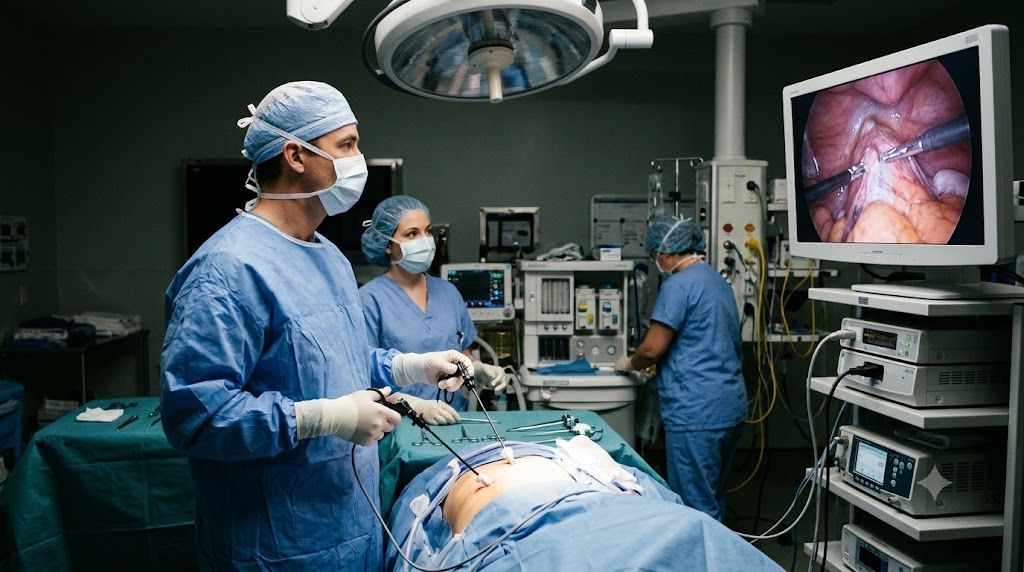
What Is Endoscopy?
Endoscopy allows a doctor to examine the lining of certain internal organs without making a large surgical incision. The procedure used depends on the part of the body that needs examination.
Upper gastrointestinal endoscopy: Also called gastroscopy, this procedure examines the oesophagus, stomach and the first part of the small intestine. It may be recommended for symptoms such as difficulty swallowing, persistent upper abdominal discomfort or unexplained bleeding.
Colonoscopy: This procedure examines the large intestine and rectum. It may be used to investigate changes in bowel habits, rectal bleeding or other symptoms that require further assessment.
Therapeutic endoscopy: Certain endoscopic procedures can also be used to treat selected problems, such as removing some polyps or controlling specific sources of bleeding.
The appropriate procedure depends on the symptoms, medical history and findings from earlier investigations.
Which Conditions May Require Endoscopic Evaluation?
Endoscopy may be recommended when symptoms suggest a problem within the digestive tract. Conditions that may require investigation include:
- Inflammation of the oesophagus or stomach
- Stomach or duodenal ulcers
- Persistent swallowing difficulties
- Unexplained gastrointestinal bleeding
- Certain intestinal polyps
- Selected digestive tract abnormalities
Not every digestive problem requires endoscopy. A medical assessment helps determine whether the procedure is necessary and which type is appropriate.
How Is an Endoscopic Procedure Performed?
Before the procedure, patients receive instructions based on the type of endoscopy being performed. These may include fasting for upper gastrointestinal endoscopy or following specific bowel preparation instructions before a colonoscopy.
During the procedure, the endoscope is carefully guided through the relevant area so the doctor can examine the digestive tract. Sedation may be offered or used depending on the procedure and clinical circumstances.
The duration and preparation requirements vary. Afterward, patients may need a short recovery period, particularly if sedation has been used. The medical team explains when normal eating and daily activities can resume.
What Are the Benefits and Risks of Endoscopy?
Endoscopy can help identify abnormalities that may not be visible through a routine physical examination. It may also allow tissue samples to be collected for laboratory analysis or enable certain treatments during the same procedure.
Like other medical procedures, endoscopy has potential risks. These can include bleeding, reactions to sedation and, rarely, injury to the digestive tract. The risks depend on the procedure, the patient’s health and whether treatment is performed during the examination.
A Endoscopic Surgeon in Nashik can assess the symptoms and explain whether an endoscopic investigation or another diagnostic method may be suitable.
Recovery and Aftercare
Recovery depends on the type of endoscopy and whether any additional procedure was performed. Mild bloating or temporary throat discomfort may occur after some examinations. Patients should follow the instructions provided by their medical team, especially if sedation was used.
Severe abdominal pain, significant bleeding, breathing difficulties or other serious symptoms after an endoscopic procedure require urgent medical attention.
Understanding Endoscopic Treatment Options
Endoscopy plays an important role in investigating selected digestive conditions and treating certain abnormalities without conventional open surgery. However, it is not suitable for every condition, and some patients may require medication, imaging or a different surgical approach.
People researching a Endoscopic Surgeon in Nashik can learn about the types of endoscopic procedures, the conditions they may help identify and the factors that determine which approach is appropriate. The choice of procedure depends on the individual’s symptoms, examination findings and medical needs.