
Hernia Surgeon in Nashik | Dr. Harshad Mahatme
A small bulge around the abdomen or groin may initially cause little discomfort. However, swelling that becomes more noticeable while standing, coughing or lifting objects may indicate a hernia. Understanding the cause of the swelling is important because treatment depends on its location, size, symptoms and the patient’s overall health.
A hernia develops when tissue pushes through a weak area in the surrounding muscle or connective tissue. Some hernias cause occasional discomfort, while others may become trapped and lead to serious complications. Early medical assessment helps determine the appropriate course of action.
Dr. Harshad Mahatme is a general and laparoscopic surgeon practising in Nashik. Patients with suspected hernia symptoms can seek an assessment to understand the condition and discuss suitable treatment options with a qualified medical professional.

What Are the Common Signs of a Hernia?
Hernia symptoms vary depending on the affected area. A lump may appear in the abdomen, groin or around the navel and become more visible during physical activity.
Common signs include:
- A noticeable bulge around the abdomen or groin
- Discomfort while bending, coughing or lifting
- A feeling of pressure or heaviness
- Pain during certain daily activities
- Swelling that changes with body position
Not every lump is a hernia, and some hernias cause few symptoms. A clinical examination is needed to identify the cause.
-
What Are the Different Types of Hernias?
The location of a hernia helps determine how it should be evaluated and treated.
Inguinal hernia: Develops in the groin and may cause swelling or a pulling sensation during movement.
Umbilical hernia: Appears near the belly button and may become more noticeable when standing or coughing.
Incisional hernia: Develops at or near the site of a previous abdominal operation.
Femoral hernia: Occurs near the upper thigh, just below the groin, and requires prompt assessment because of its risk of complications.
Hiatal hernia: Occurs when part of the stomach moves through an opening in the diaphragm. It may be associated with heartburn or acid reflux rather than an external bulge.
Why Do Hernias Develop?
Hernias occur when a weak area in the muscle or connective tissue allows internal tissue to protrude. Contributing factors may include previous abdominal surgery, persistent coughing, constipation and repeated straining. Pregnancy and increased abdominal pressure can also play a role.
A hernia does not always develop because of one specific activity. Medical assessment can help clarify the condition and provide appropriate guidance about physical activity and treatment.

How Is a Hernia Diagnosed?
Diagnosis usually begins with a review of symptoms and medical history, followed by a physical examination. The surgeon may assess the swelling while the patient stands or coughs.
If the diagnosis is uncertain, an ultrasound may be recommended. A CT scan or other imaging investigation may be needed for selected complex or recurrent cases. Not every patient requires imaging; the decision depends on the examination findings.

What Are the Treatment Options for Hernias?
Treatment depends on the hernia type, symptoms and risk of complications. Some hernias may be monitored under medical guidance, while others require surgical repair. Hernias generally do not resolve on their own, so the need for treatment should be discussed with a qualified professional.

Patients consulting a Hernia Surgeon in Nashik can discuss whether open or laparoscopic repair may be suitable.
Open hernia repair: The surgeon makes an incision over the affected area, returns the protruding tissue to its appropriate position and repairs the weakened area. Mesh may be used when appropriate.
Laparoscopic hernia repair: A camera and specialised instruments are inserted through small incisions to perform the repair. This approach may suit selected patients, but it is not appropriate for every hernia.
The choice of procedure depends on the hernia’s location, size, previous repairs and the patient’s health.
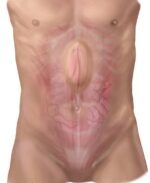
Recovery After Hernia Surgery
Recovery varies according to the procedure and individual circumstances. Patients should follow instructions about wound care, prescribed medicines, walking and returning to everyday activities. Heavy lifting and strenuous exercise may need to be avoided until the treating surgeon advises otherwise.
Seek urgent medical attention if a hernia suddenly becomes very painful, firm or discoloured, particularly with vomiting or difficulty passing stools or gas. These symptoms may indicate a serious complication.
Consultation for Hernia Treatment
If you have noticed a persistent abdominal or groin bulge, pain or discomfort during daily activities, arrange a medical assessment. A Hernia Surgeon in Nashik can evaluate the symptoms, explain the available treatment approaches and help you understand the next steps for your condition.