
Colorectal Surgeon in Nashik for Bowel Disorders
Changes in bowel habits, rectal discomfort, bleeding or persistent abdominal pain can affect everyday life. These symptoms may be linked to conditions involving the colon, rectum or anus. Identifying the cause is important because treatment may range from medication and lifestyle changes to specialised procedures or surgery.
The colon and rectum form the final part of the digestive system and play an important role in bowel movements. Conditions affecting these areas can develop gradually or cause sudden symptoms that require medical attention. Patients experiencing persistent rectal bleeding or changes in bowel habits may need an assessment by a Colorectal Surgeon in Nashik to understand the underlying cause.
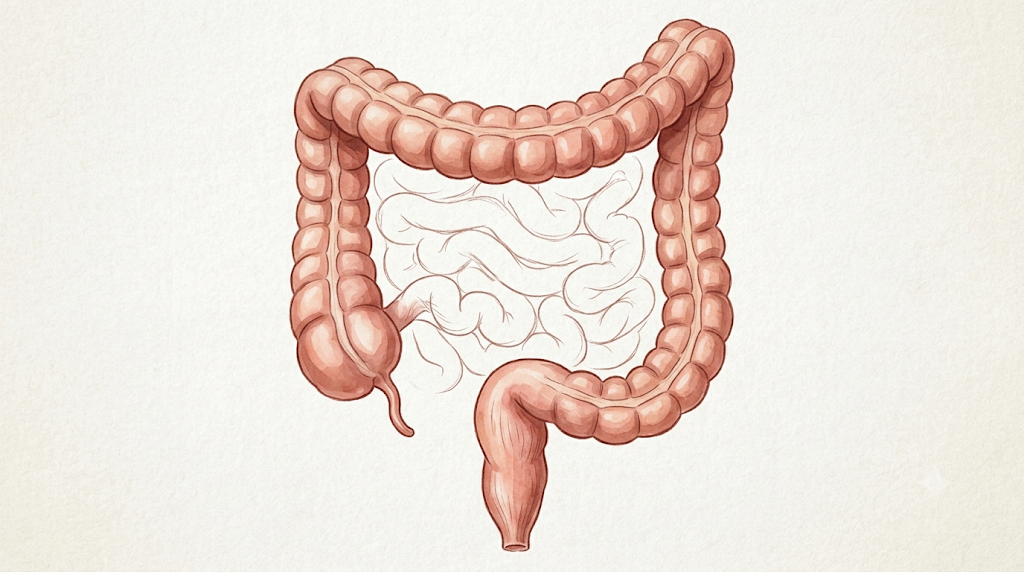
What Conditions Affect the Colon and Rectum?
Colorectal conditions vary in their causes, symptoms and severity. Some can be managed with medical treatment, while others may require surgical evaluation.
Common conditions include:
- Colorectal polyps: Growths that develop on the inner lining of the colon or rectum. Some may need removal and laboratory examination.
- Colorectal cancer: Abnormal cell growth in the colon or rectum that requires appropriate investigation and treatment planning.
- Anal fissures: Small tears in the anal lining that can cause pain and bleeding during bowel movements.
- Piles: Swollen blood vessels around the anus or rectum that may cause itching, discomfort or bleeding.
- Rectal prolapse: A condition in which part of the rectum protrudes through the anus.
- Diverticular disease: Small pouches that develop in the colon wall and may sometimes become inflamed.
The appropriate treatment depends on the specific diagnosis and the patient’s overall health.
What Symptoms Need Medical Attention?
Symptoms may differ depending on the condition. Possible signs include persistent changes in bowel habits, blood in the stool, abdominal discomfort, rectal pain, unexplained weight loss or a feeling that the bowel has not emptied completely.
These symptoms do not always indicate a serious illness, but persistent or unexplained changes should be assessed. Heavy rectal bleeding, severe abdominal pain or abdominal swelling accompanied by vomiting and an inability to pass stool or gas requires urgent medical attention.
How Are Colorectal Conditions Diagnosed?
Diagnosis usually begins with a review of symptoms, medical history and a physical examination. Further tests depend on the suspected condition.
Colonoscopy: Allows examination of the inner lining of the colon and rectum and may help identify polyps, inflammation or other abnormalities.
Imaging tests: CT scans and other imaging methods may be used to investigate selected conditions.
Biopsy: A tissue sample may be collected when an abnormal area requires laboratory examination.
A Colorectal Surgeon in Nashik can explain the findings and help determine whether additional investigations, medication, an endoscopic procedure or surgery may be appropriate.
What Treatment Options Are Available?
Treatment depends on the diagnosis, severity of the condition and the patient’s medical needs.
Medical management: Some conditions can be managed with medication, dietary changes and other non-surgical approaches.
Endoscopic procedures: Certain abnormalities, including some colorectal polyps, can be removed during colonoscopy.
Laparoscopic surgery: For suitable conditions, the operation is performed using a camera and specialised instruments through small incisions.
Open surgery: Some complex conditions require an operation through a larger incision, depending on the clinical findings.
The choice of treatment should be based on an individual assessment, including the expected benefits, potential risks and recovery requirements.
Recovery and Follow-Up Care
Recovery varies according to the condition and treatment performed. Patients may receive instructions about diet, medicines, wound care and physical activity. Follow-up appointments help monitor healing and identify concerns that may need further attention.
Understanding Colorectal Treatment
Persistent bowel changes, rectal bleeding and unexplained abdominal symptoms deserve proper evaluation. Understanding the available diagnostic tests and treatment options helps patients make informed decisions about their care.
If symptoms continue or interfere with daily activities, arrange an appropriate medical assessment to determine the cause and discuss the next steps.